Shipment Held or Rejected by U.S. Customs —
Can It Still Be Fulfilled?
Not every customs hold or rejection ends fulfillment — but only some cases remain viable.
WinsBS Fulfillment reviews held or rejected shipments by evaluating why the issue occurred and whether the underlying risk can be corrected before execution resumes. This page reflects how we determine fulfillment eligibility—before a shipment is allowed back into a live fulfillment workflow.
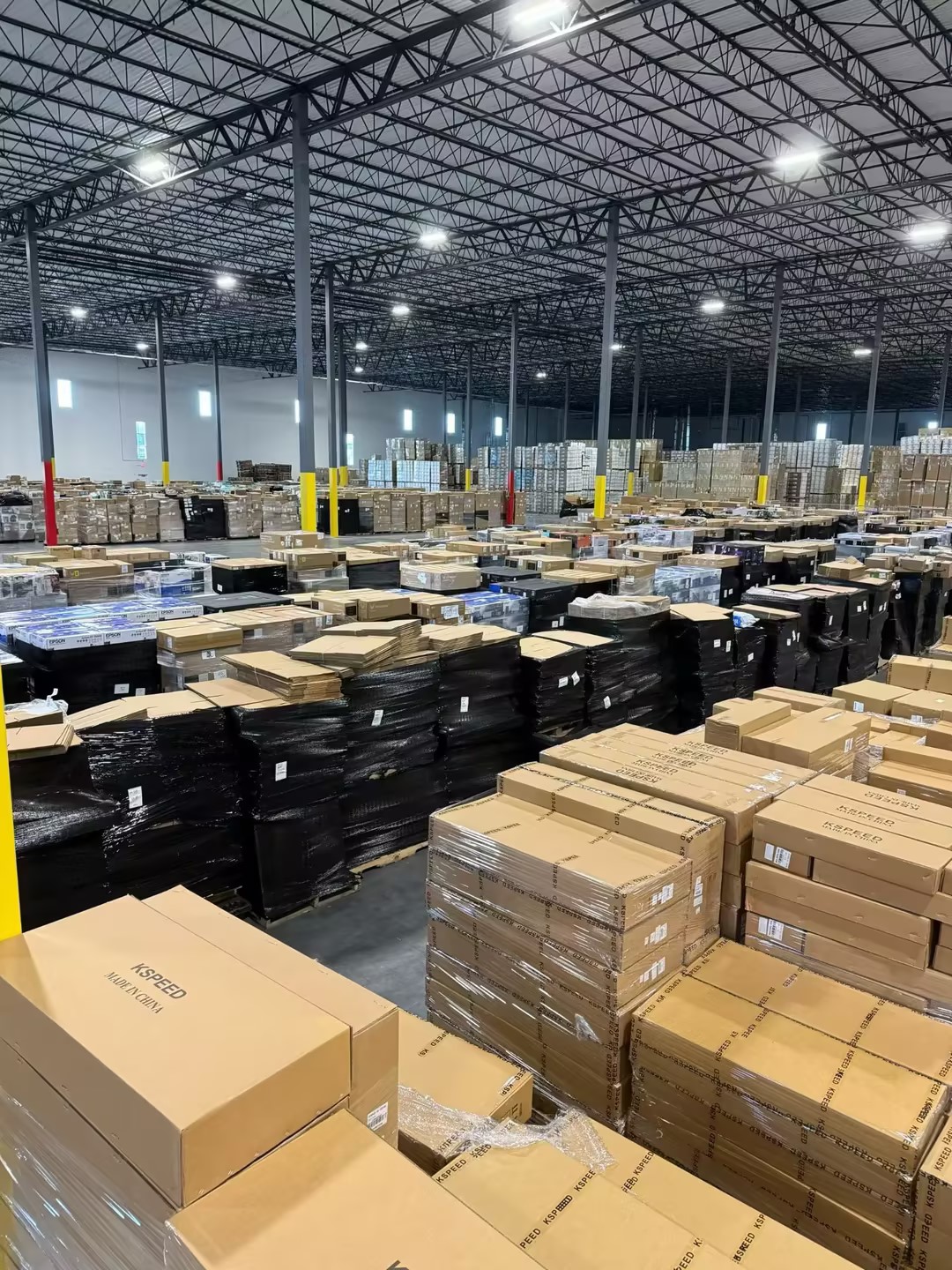
How WinsBS Evaluates Held or Rejected Shipments
WinsBS Fulfillment evaluates held or rejected shipments based on whether the original issue can be clearly identified, corrected, and prevented from recurring. The scenarios below reflect how we assess fulfillment eligibility before any shipment re-enters execution.
WinsBS generally considers shipments that were temporarily held and later released to be eligible to proceed, provided the triggering issue has been clearly resolved and does not present repeat inspection risk.
Shipments that were formally rejected and returned may still be reviewed if documentation, classification, or declaration issues can be corrected prior to re-entry and do not require enforcement reversal.
When a shipment has experienced repeated holds or rejections for the same product profile, WinsBS typically considers fulfillment viability limited due to unresolved structural or regulatory risk.
Why Shipments Get Held or Rejected by U.S. Customs
Customs holds and rejections are typically triggered by how a shipment is declared, classified, and reviewed — not by the product name alone. Understanding the trigger helps determine whether the issue can be resolved or is likely to repeat.
Differences between invoices, packing lists, and prior entries often trigger inspection or rejection when inconsistencies recur.
Incorrect or ambiguous tariff classification can result in holds or rejection, especially for products flagged previously.
Prior inspections or enforcement actions may route future shipments for automatic secondary review.
Missing or incomplete agency documentation (such as FDA-related disclosures) can prevent clearance even if goods are lawful.
How WinsBS Assesses Eligibility for Held or Rejected Shipments
WinsBS Fulfillment determines eligibility by reviewing whether the original cause of a customs hold or rejection can be clearly identified, corrected, and prevented from recurring before a shipment re-enters active fulfillment. Our assessment focuses on execution risk and repeat failure avoidance, not assumptions or workarounds.
WinsBS evaluates whether the specific reason for the customs hold or rejection is documented, traceable, and supported by entry or inspection records. Shipments with unclear or disputed causes are typically considered high risk.
We assess whether the issue can be resolved through corrected documentation, classification, disclosures, or process adjustments — rather than requiring enforcement reversal or discretionary clearance.
WinsBS considers whether proceeding is likely to trigger repeat inspection or rejection based on prior outcomes, product profile, routing history, and inspection patterns.
What WinsBS Assesses — and What Falls Outside Fulfillment Boundaries
WinsBS Fulfillment evaluates eligibility within defined operational and regulatory boundaries. Some issues can be assessed and corrected before fulfillment resumes, while others place a shipment outside viable execution conditions.
What WinsBS Assesses
- Documented Root Cause Verified records explaining why the shipment was held or rejected, based on inspection results or entry documentation.
- Corrective Actions Whether revised documentation, classification, or disclosures directly resolve the original trigger.
- Regulatory Alignment Confirmation that required agency information can be satisfied prior to re-entry or execution.
- Repeat Risk Exposure Likelihood of predictable inspection or refusal based on prior outcomes and shipment history.
What Falls Outside Assessment
- Overriding Enforcement Decisions Customs rulings, seizures, or enforcement outcomes are not challenged or bypassed.
- Misdeclaration or Reclassification Product details are never altered to evade scrutiny or inspection.
- Guaranteed Clearance Eligibility review does not imply release, approval, or acceptance by authorities.
- Structurally Prohibited Goods Products prohibited by law or carrier policy remain ineligible regardless of prior handling.
Before You Attempt Another Shipment, Confirm Whether It Should Proceed
When a shipment has already been held or rejected by U.S. Customs,
repeating the same attempt without addressing the root cause
often leads to predictable failure, additional cost,
or permanent routing flags.
A WinsBS eligibility review determines whether the underlying issue
is clearly identified, correctable, and unlikely to recur
before fulfillment is attempted again.
This review does not guarantee clearance or approval. WinsBS evaluates documented cause, corrective feasibility, and repeat-risk exposure to determine whether proceeding is operationally and commercially reasonable.