Ecommerce Fulfillment Services
for Growing Online Brands

Same-Day Order Processing Across a Scalable U.S. Ecommerce Fulfillment Network

WinsBS ecommerce fulfillment services process eligible orders the same day
through automated order routing and multi-warehouse workflows,
maintaining a 97% on-time fulfillment rate across U.S. delivery zones.

Trusted ecommerce fulfillment provider for DTC and marketplace brands
Usage-based ecommerce fulfillment pricing — pay only when orders ship
Flexible fulfillment workflows that scale with order volume and SKU complexity

Ecommerce Fulfillment Capabilities Built for Scale

On-Time Ecommerce Fulfillment Performance

WinsBS ecommerce fulfillment operations maintain a 97% on-time shipment rate by processing eligible orders the same day through automated order routing and multi-warehouse workflows. For U.S.-based ecommerce fulfillment, orders received before local carrier cutoff times are shipped the same day.

Predictable Ecommerce Fulfillment Costs

WinsBS ecommerce fulfillment services use merchant-controlled carrier routing and transparent pricing models to reduce cost volatility. This predictable ecommerce fulfillment cost structure helps brands plan logistics spend more accurately as order volume scales.

No Minimum Order Requirements

WinsBS ecommerce fulfillment services operate without minimum monthly order requirements, allowing brands to start fulfillment based on actual demand. This flexible ecommerce fulfillment model supports early-stage growth and seasonal volume fluctuations without long-term commitments.

Over 5,000 monthly shipments?
 Please contact our expert

How Ecommerce Fulfillment Works

WinsBS ecommerce fulfillment follows a clear, operational workflow that helps brands process orders accurately, maintain inventory visibility, and scale fulfillment without managing warehouse operations internally.

  1. Inventory Receiving & Storage

    Inventory is received at WinsBS fulfillment centers and checked into the warehouse management system. Products are stored by SKU, dimensions, and handling requirements to ensure accurate picking across U.S. fulfillment locations.

  2. Store & Order Integration

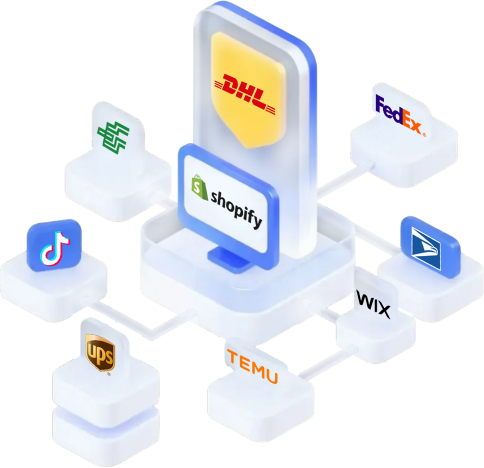
    Ecommerce fulfillment systems connect directly with sales channels such as Shopify, Amazon FBM, and DTC storefronts. Orders sync automatically in real time, enabling immediate routing based on inventory availability.

  3. Order Picking & Packing

    Once an order is received, fulfillment workflows trigger picking and packing inside the warehouse. Items are picked by SKU and packed using standard operating procedures before outbound processing.

  4. Shipping & Tracking

    Orders move into shipping based on destination and service level. Tracking numbers are generated automatically and synced back to connected sales channels for customer visibility.

  5. Returns & Inventory Updates

    Returns are processed through structured inspection workflows. Inventory levels update in real time across all connected ecommerce platforms.

Ecommerce Fulfillment Pricing Structure

Ecommerce fulfillment pricing is typically based on operational handling, inventory storage, and outbound shipping activity. Rather than bundled or opaque pricing models, WinsBS applies a transparent ecommerce fulfillment cost structure designed to scale with real order volume and operational needs.

The core ecommerce fulfillment operation fee at WinsBS starts from $0.50 per order, covering standard order pick, pack, and outbound processing. This base ecommerce fulfillment rate applies to simple workflows and may vary depending on SKU complexity, packaging requirements, and daily order volume.

What’s Included in Ecommerce Fulfillment Costs

Ecommerce fulfillment costs are composed of several operational components. Understanding these elements helps brands forecast logistics spend more accurately as fulfillment volume scales.

  • Order handling (pick, pack, and outbound processing)
  • Inventory storage based on space and duration
  • Packaging materials and special handling requirements
  • Outbound shipping rates based on destination and service level
  • Optional value-added services such as kitting, inserts, or returns processing

Predictable, Usage-Based Fulfillment Pricing

WinsBS ecommerce fulfillment pricing follows a usage-based model with no minimum monthly order requirements. Brands pay based on actual fulfillment activity, allowing logistics costs to align with sales performance rather than fixed commitments.

Avoiding Rigid or Bundled Fulfillment Pricing

Unlike rigid fulfillment contracts or bundled pricing models that include unused capacity, WinsBS ecommerce fulfillment pricing avoids fixed minimums and hidden surcharges. This approach reduces cost waste and provides clearer visibility into per-order fulfillment economics.

U.S. Ecommerce Fulfillment Network

Ecommerce fulfillment speed and reliability depend on warehouse proximity, inventory distribution, and carrier access. WinsBS operates a distributed U.S. ecommerce fulfillment network designed to support fast regional delivery, flexible routing, and consistent service levels across major U.S. markets.

Distributed Warehousing for Regional Fulfillment

WinsBS ecommerce fulfillment centers are strategically located to reduce transit time and shipping zones. By distributing inventory across multiple U.S. regions, ecommerce fulfillment operations can route orders more efficiently and maintain delivery speed as order volume scales.

Optimized Coverage Across Key U.S. Regions

The WinsBS U.S. ecommerce fulfillment network supports regional coverage across the West Coast, Central U.S., and East Coast. This multi-region approach enables 2–5 day ground delivery for most domestic orders while reducing dependency on single-location fulfillment.

Intelligent Order Routing & Inventory Placement

Ecommerce fulfillment routing decisions are based on inventory availability, destination, and service level requirements. WinsBS applies rule-based order routing to balance shipping cost, delivery speed, and inventory utilization across its U.S. fulfillment network.

Ecommerce Platform Compatibility

Built to support modern ecommerce platforms without custom development.

Shopify · Amazon FBM · WooCommerce · TikTok Shop · Custom DTC Stores

Ecommerce Fulfillment FAQs

What is included in ecommerce fulfillment services?
Ecommerce fulfillment services typically include inventory receiving and storage, order processing, picking and packing, outbound shipping, tracking updates, and returns handling. WinsBS ecommerce fulfillment services focus on operational execution, allowing brands to outsource warehouse operations while maintaining visibility into inventory and order status.
How fast is same-day ecommerce fulfillment?
Same-day ecommerce fulfillment depends on order cutoff times, inventory availability, and carrier schedules. Eligible orders received before local carrier cutoff times can be processed and shipped the same day. Actual delivery speed varies by destination, shipping method, and regional fulfillment coverage.
How much does ecommerce fulfillment cost?
Ecommerce fulfillment costs are based on operational activity rather than flat pricing. Core fulfillment fees typically cover order handling, with additional costs for storage, packaging, shipping, and optional services. Pricing varies based on order volume, SKU complexity, and fulfillment requirements.
Is there a minimum order volume requirement?
Some fulfillment providers require minimum monthly order volumes, but WinsBS ecommerce fulfillment services operate without minimum order requirements. Brands can start fulfillment based on actual demand and scale operations as order volume grows, without fixed commitments.
How does inventory tracking work across fulfillment centers?
Ecommerce fulfillment systems track inventory at the SKU level across all connected fulfillment locations. Inventory levels update in real time as orders are processed, shipped, or returned, helping brands maintain accurate stock visibility across sales channels.
Can ecommerce fulfillment support returns and exchanges?
Yes. Ecommerce fulfillment includes structured returns processing and inventory updates. Returned items are inspected, restocked, or flagged based on condition, while inventory data remains synchronized across connected ecommerce platforms.