01 / Pattern
The Same Trigger Keeps Returning
When the same product profile repeatedly causes holds, document disputes, or intervention, WinsBS treats it as a repeat-risk signal rather than an isolated mistake.
Free 1 Month of Warehousing for New ClientsStart with lower storage cost from day one.
FREE QUOTECompliance Failure Review
The most expensive fulfillment mistakes are not one-time failures. They are failures that keep returning after teams believe they have already fixed them.
WinsBS reviews compliance failure cases to determine whether a shipment pattern is truly correctable or whether execution should stop before more cost, delay, and rework are absorbed.
The goal is not to retry indefinitely. The goal is to separate recoverable cases from structural failure modes before the next shipment repeats the same outcome.
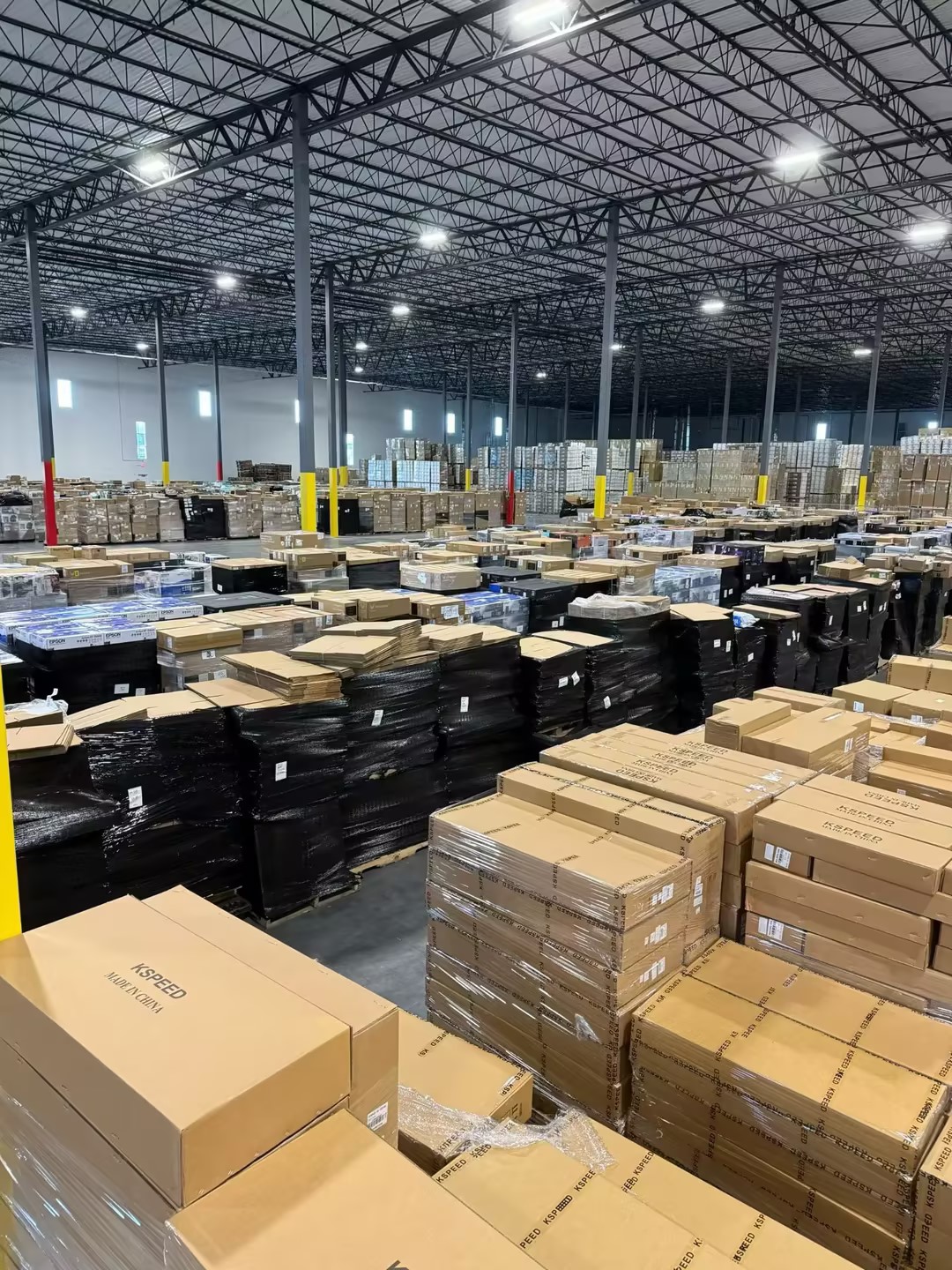
WinsBS treats repeated compliance disruption as an execution signal. The question is whether the failure is shrinking because of a real fix, or repeating because the same root condition still exists.
01 / Pattern
When the same product profile repeatedly causes holds, document disputes, or intervention, WinsBS treats it as a repeat-risk signal rather than an isolated mistake.
02 / Correction
If revised paperwork, labels, or routing changes still lead to the same compliance outcome, the issue is usually structural and not operational.
03 / Boundary
A pattern of failure means warehouse execution should not keep absorbing cost when the next result still depends on unstable authority or policy outcomes.
Core framing: the key issue is not whether a shipment failed once. It is whether the same compliance trigger keeps surviving after attempted corrections.
Failure-pattern review happens before more inventory is committed to a workflow that may already be proving unstable.
Failure Mapping
WinsBS compares failed attempts across shipment history to isolate the repeated signal, such as declaration mismatch, unstable classification, or unresolved oversight exposure.
Correction Review
The review checks whether a proposed fix actually changes the compliance condition, or only changes surface details while the same underlying risk remains.
Execution Decision
WinsBS determines whether the case can re-enter fulfillment with stable repeatability, or whether the failure pattern places it outside viable execution.
Review principle: a case is not improved just because a team tried a correction. It improves only when the next shipment is meaningfully less likely to fail for the same reason.
WinsBS distinguishes between cases that can re-enter execution with a stable path forward and cases where retries would only reproduce the same loss pattern.
May Re-Enter
A case may return to execution when the repeated trigger is clearly understood and the corrective change materially alters the risk profile.
Should Stop
Execution is not recommended when repeated failure shows that the product profile remains unstable even after attempted corrections.
The decision is not about optimism. It is about whether the next shipment genuinely follows a different risk path than the last one.
A repeat failure pattern does more than delay one shipment. It drains margin, increases operational friction, and hides the moment where execution should have stopped.
Operational Cost
Warehouse teams, brokers, and suppliers keep revisiting the same issue, increasing handling cost while execution reliability gets worse.
Commercial Risk
Each retry adds storage, documentation, and routing cost, but does not create a dependable fulfillment model.
Execution Signal
The more a pattern repeats, the clearer it becomes that the case should be treated as outside execution instead of being reattempted indefinitely.
Reality check: once a pattern becomes predictable, continuing to ship is no longer a growth decision. It is a decision to absorb known repeat loss.
A repeated compliance failure usually means the cost of optimism is already rising. WinsBS reviews the pattern to determine whether a real correction exists or whether execution should stop before the same loss appears again.
This review does not guarantee release or approval. It helps determine whether the case is operationally recoverable or structurally unsuitable for repeat fulfillment.
Request Pattern ReviewThese questions explain how WinsBS evaluates repeat compliance failure patterns and when fulfillment should stop instead of being reattempted.
It is a shipment pattern where the same compliance-related trigger keeps causing holds, refusal, intervention, or instability across repeated attempts.