Free 1 Month of Warehousing for New ClientsStart with lower storage cost from day one.

FREE QUOTE

Execution Scope

What WinsBS Executes and Where WinsBS Responsibility Ends

WinsBS operates within the fulfillment execution layer. WinsBS controls receiving, inventory handling, system-level order processing, packing configuration, and carrier handoff with tracking activation. WinsBS does not control product classification, regulatory admissibility, customs decisions, or external authority judgment. When an outcome depends on those factors, execution stops at the WinsBS boundary.

  • WinsBS Controls:actions performed inside the warehouse workflow and system environment.
  • WinsBS Requires:stable SKU definitions, declared attributes, and routing constraints provided upstream.
  • WinsBS Stops:when the next result depends on external authority, supplier change, or policy interpretation.
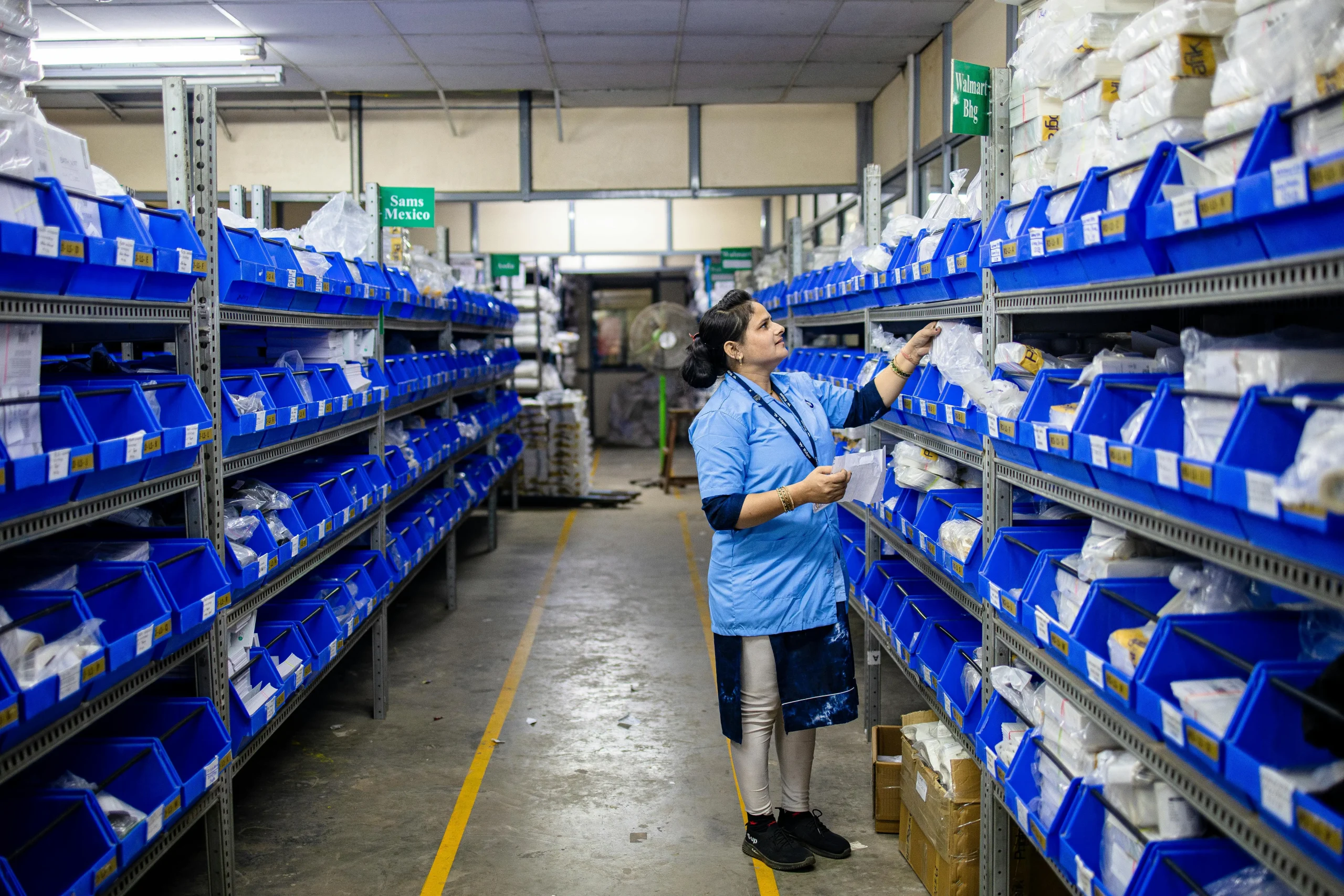
WinsBS warehouse packing stations processing outbound orders
Execution inside the warehouse is controllable; authority-driven outcomes are not.

Operational Framework

The Execution Boundary

WinsBS defines its execution boundary at the warehouse layer. Work that can be performed and verified inside fulfillment operations is within WinsBS control. Results that depend on customs, regulators, carriers, or supplier changes sit outside that control.

Inside WinsBS Control

  • Receive & ReconcileUnits counted, labeled, and put away. Variances recorded.
  • Inventory HandlingLocation moves, holds applied, cycle counts performed.
  • Order ProcessingPick, scan, pack, and confirm against system records.
  • Packing RulesBox choice, inserts, and kitting steps executed as defined before pick and pack.
  • Carrier HandoffLabel created, manifest closed, shipment handed to the carrier.

Outside WinsBS Control

  • Product ClassificationHow the item is declared and interpreted by authorities.
  • Regulatory DecisionsApproval, refusal, or additional requirements set by government bodies.
  • Customs OutcomesHolds, exams, reclassification, seizure, or clearance timing.
  • Carrier or Platform RulesPolicy enforcement, routing limits, or restricted-service decisions.
  • Supplier ChangesMaterials, labels, components, or documents changed after planning.

Boundary definition: WinsBS can document what occurred inside execution, including timestamps, scan events, pack confirmation, and handoff records. WinsBS does not determine how an authority interprets a shipment.

Warehouse control ends at the carrier handoff checkpoint.
  1. Pick & Pack
  2. Scan Verified
  3. Carrier Handoff Execution Boundary
  4. Customs / Authority

The Critical Handoff

WinsBS defines the execution boundary at a specific moment: when a packed order is handed to a carrier and tracking is activated. Up to that point, WinsBS controls and can verify the warehouse workflow. After handoff, outcomes can depend on customs, regulators, carriers, or other third-party decisions.

What WinsBS can prove

Inside execution, WinsBS can document what happened and when: scan events, packing confirmation, timestamps, and handoff records. These records show whether warehouse execution matched the defined workflow.

What WinsBS cannot decide

Once a shipment enters external control, outcomes can change without any change to warehouse execution: inspection holds, reclassification, restricted service decisions, or policy enforcement. WinsBS can provide the execution record, but WinsBS does not determine the external judgment.

WinsBS owns execution. Authorities own the decision.

Critical Inputs

Upstream Execution Data

WinsBS can execute and verify warehouse work only when upstream inputs are stable. These six inputs define what execution can follow and when execution must pause for clarification.

Note: If inputs change during live operations, WinsBS moves from standard flow to exception handling: pause, confirm, and document.

  1. 01

    SKU Definition

    Stable identifiers that match the physical unit, including SKU, barcode, and bundle contents. If the same SKU changes components or accessories, warehouse scans can be correct while the shipment is interpreted differently downstream.

  2. 02

    Declared Attributes

    Declare what the item is and what it contains, including materials, functions, and claims. If attributes are missing or updated late, clearance and admissibility decisions happen outside warehouse execution.

  3. 03

    Routing Constraints

    Define hard do-not-ship boundaries before labels are created, including restricted destinations, service limits, and route bans. Without these constraints, execution can proceed, but the next outcome may be invalid.

  4. 04

    Packaging & Pack Rules

    Packing steps must be set before orders are released, including kitting order, inserts, box limits, and verification. If rules change after release, execution becomes manual exceptions instead of repeatable flow.

  5. 05

    Documentation State

    WinsBS can hand off only what exists at dispatch, including labels, manifests, and documents provided upstream. If documents are revised after dispatch, the result depends on external handling, not warehouse execution.

  6. 06

    Change Control

    Assign who can approve live changes such as substitutions, label edits, declaration changes, and routing changes. Without a clear approver, changes create stops, rework, and disputed responsibility.